
These Are My People
Guided Family Storytelling
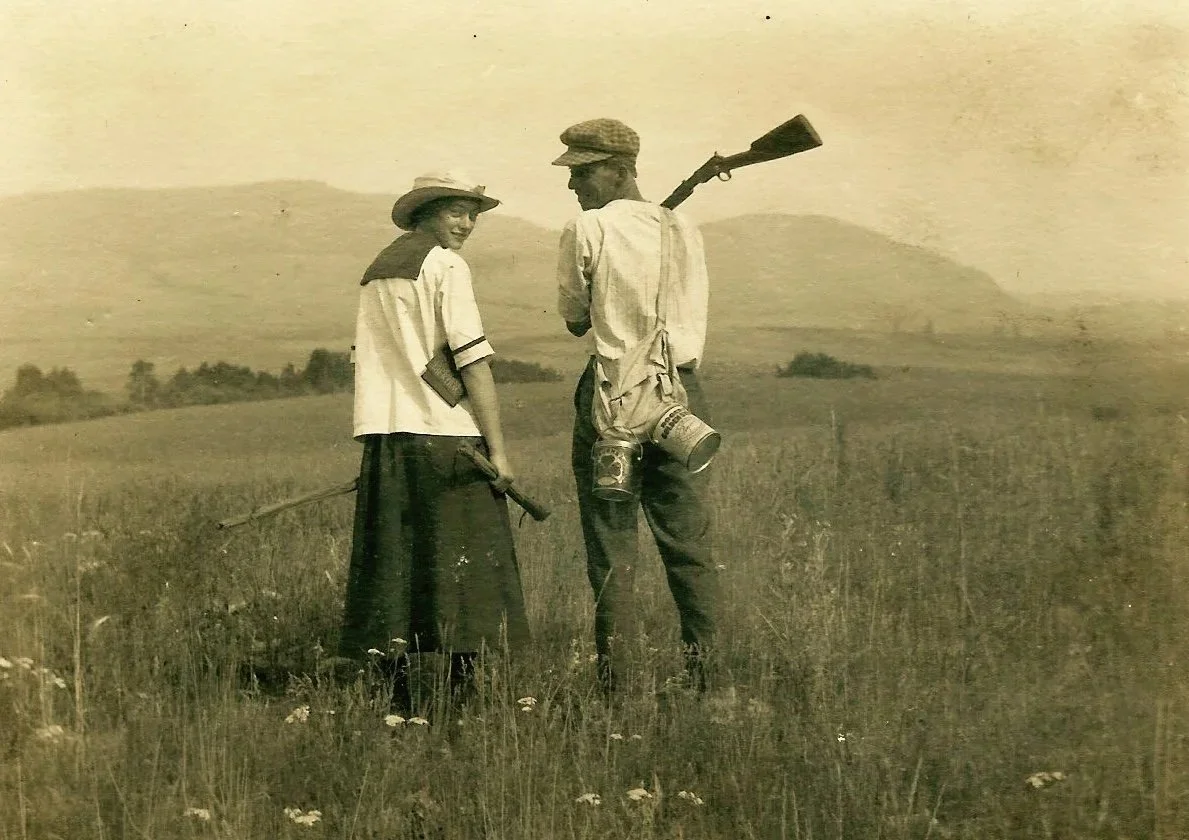
Photo: my paternal grandparents, Nellie & Duncan Tutt, near present-day Kelowna, british columbia. 1920. Every family hands something down.
Sometimes it's a recipe.
Sometimes it's a suitcase carried across an ocean.
Sometimes it's silence.
These Are My People is a guided writing course that explores the people, places, and turning points that shaped your family.
Maybe you're the one everyone turns to with questions about the family tree. Perhaps you've inherited a box of old photographs or letters and don't know quite what to do with them. Maybe there's an aging parent or grandparent whose stories you don't want to lose. Or perhaps you've simply found yourself wondering where you came from—and how your family's history has shaped your own.
Whether you've spent years researching your ancestry or you're just beginning to ask questions, this course offers a welcoming place to explore your family history using guided writing prompts.
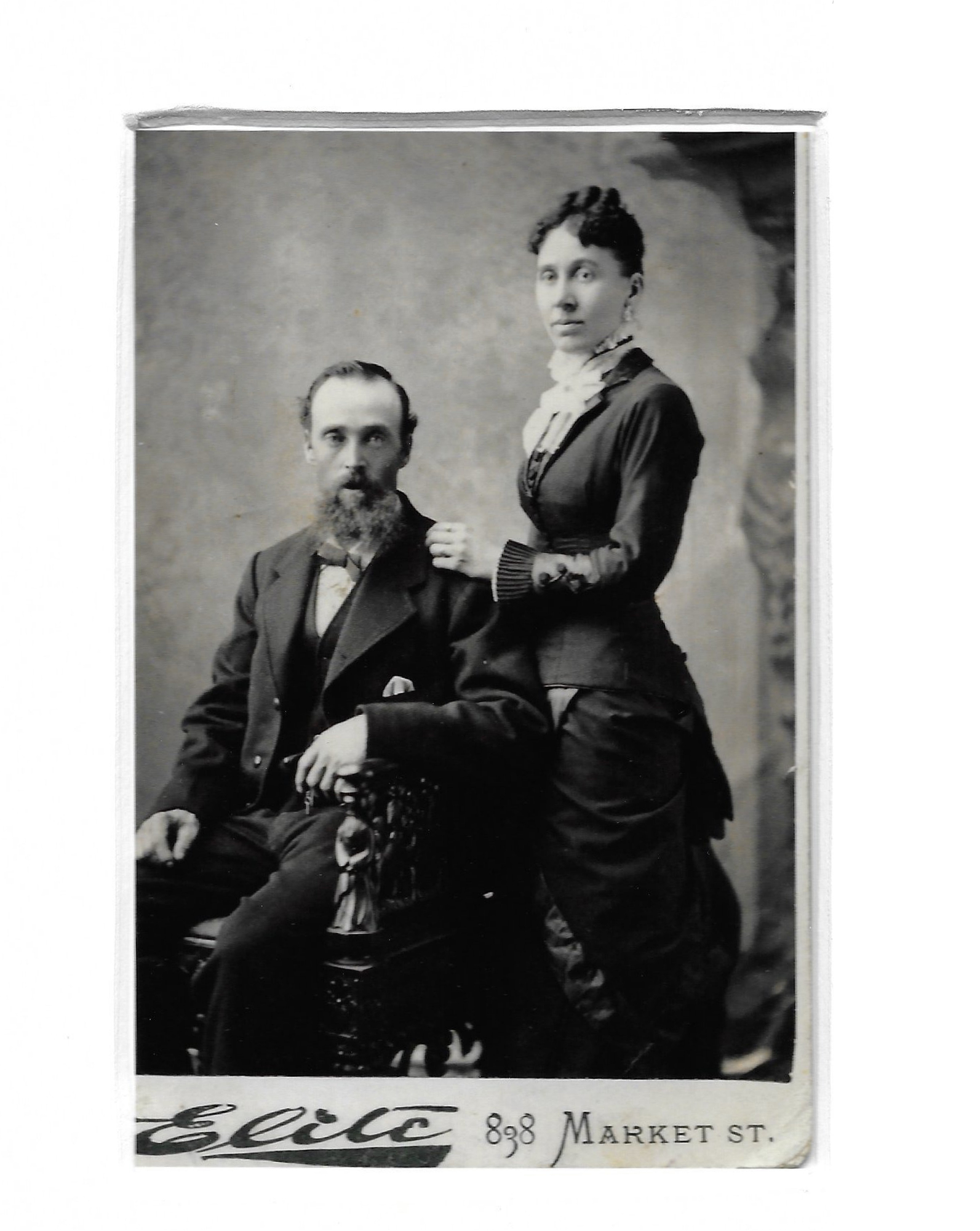
Photo: John Conroy & Annie O'Reilly, Québec City, 1892. (My paternal great-uncle & -Aunt)
Family history isn’t just about the past. It becomes a way of understanding ourselves—our inheritances, our values, our resilience, and the stories we've carried without always knowing where they began.
My interest in family stories began when I moved to Québec in 2009. I was searching for a sense of connection to this unfamiliar place when my father casually mentioned, "Oh yes, your grandmother's family is from over there somewhere."
That simple comment changed everything.
Knowing that my own family had once walked this landscape made it feel different. It no longer felt entirely foreign. It became a place where I could belong, too.
Like many families, ours had silences as well as stories. I wanted to understand where I came from—not just geographically, but emotionally. As I began tracing my ancestry, I gathered hundreds of names, dates, and places. But before long, I found myself asking a different question:
Who were these people?
What hopes did they carry when they crossed an ocean? Who did they leave behind? What choices shaped the generations that followed? What parts of their lives still echo in my own?
Those questions eventually led me to become a Certified Shaking the Family Tree Instructor through the Birren Center for Autobiographical Studies.
What I love most about this work is helping people move beyond names and dates to discover the lives, relationships, and stories that bring a family tree to life.
Because in the end, family history isn't just about the past, it’s about recognizing the people whose lives made ours possible.
Over six weeks, we'll gather online in a small, supportive group to write, reflect, and share family stories inspired by guided prompts.
Each live online session is 2 hours long and includes:
an introduction to the following week’s theme
short writing activities to get you started
time for sharing stories and listening within the group
Between sessions, participants complete approximately two pages (800 words) of writing based on the week’s theme.
Class size is intentionally small (6–8 participants) to allow space for everyone’s stories to be heard.
Together we'll explore the people, relationships, places, and experiences that shaped your family through themes such as:
Cultural, Historical, & Geographical Context
Family Roles & Characters
Family Rituals, Traditions, & Values
Working, Earning, & Learning
Artifacts, Heirlooms & Treasures
Next cohort: January 2027
I'm currently planning the next session of this six-week course for January 2027.
If you're interested in joining, get in touch to be added to the waiting list. I'll contact the waiting list first when dates and registration details are available.
We begin with curiosity, not expertise.
You don't need an extensive family tree, years of genealogical research, or to think of yourself as a writer.
Using memory, photographs, family stories, heirlooms, and a little research, we'll piece together the stories that connect us to the generations before us. Where the historical record leaves gaps, we'll draw on the principles of creative nonfiction to write responsibly and respectfully—honouring what is known and acknowledging what remains uncertain.
I am genuinely fascinated by how ordinary families have such extraordinary stories to tell!
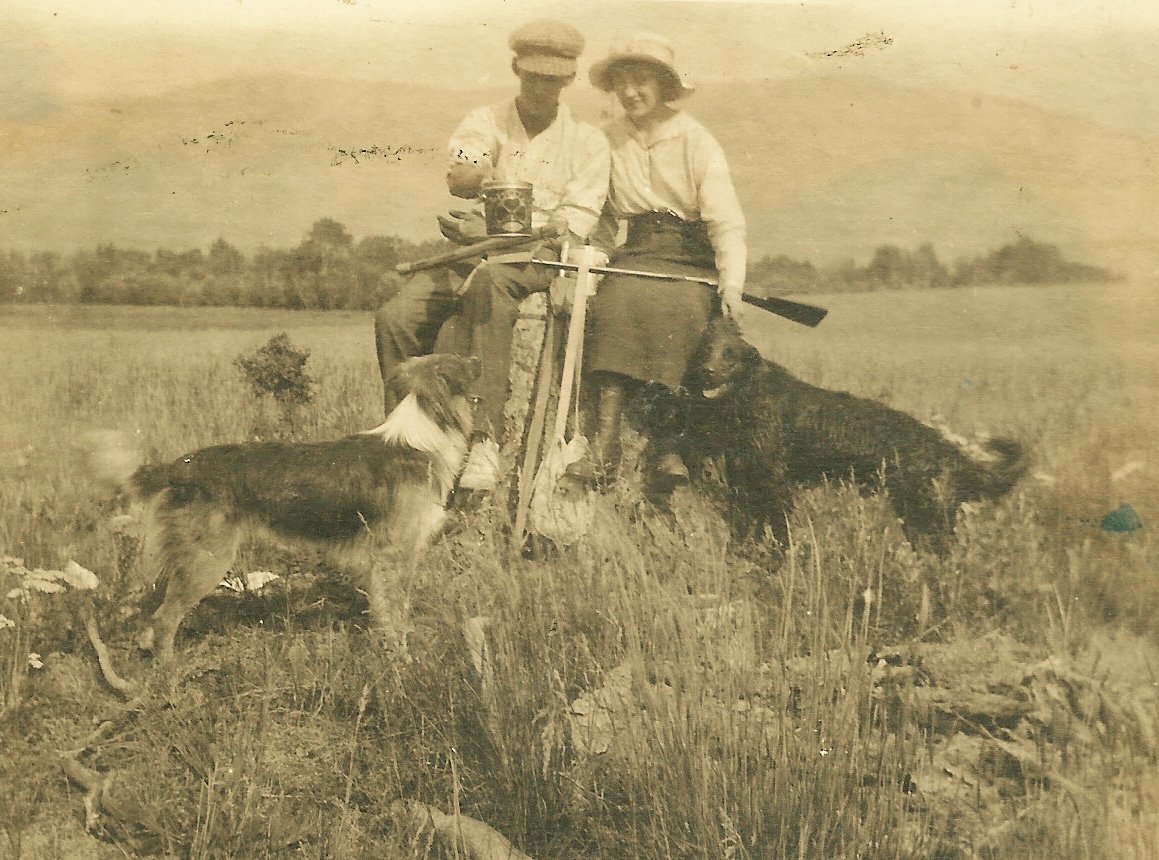
Nellie & Duncan tutt, okanagan valley, 1920You might be wondering
-
No, and yes.
You don’t need to be a “writer”, but you are expected to do some writing.
Process over polish!
The point is to get your stories down on paper.You are expected to write about 800 words (about 2 pages handwritten) on each topic.
If you get stuck, I will provide you with tips on how to find another way “into” your story.
-
My aim is to facilitate a safe and inclusive space where everyone will feels safe enough to share their stories. Participants often say that the most rewarding part of the process is to be heard by others.
-
Some knowledge of members of past generations is very useful here. BUT you certainly don’t need a full scale family tree to get started here. Knowing some names and dates of your grandparent’s generation is a great start.
-
Many family stories are well-hidden, my own included. We’ll use research, creative non-fiction, and some educated guesses to fill in the gaps.
-
My step-mother always says, “every family has a skeleton in the closet”.
Part of doing the work of family stories is to take an honest look at what’s there. It can be difficult. But personally, writing family stories has helped me towards greater empathy and compassion for the people who came before me.